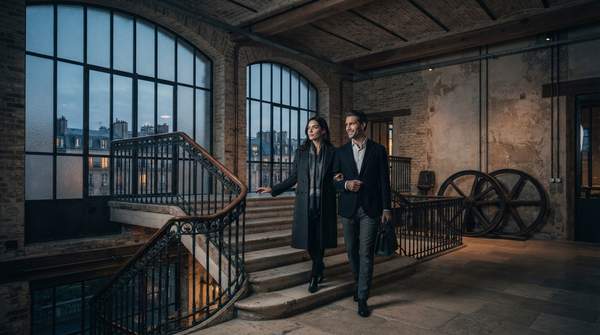
When I walk through a converted power station or a revived Art Deco hotel, I notice the same thing every time: no amount of new construction can manufacture what these buildings already have. In the luxury market, adaptive reuse—the repurposing of historic structures into modern residences and hospitality spaces—has become one of the most compelling narratives in real estate, and firms that specialize in high-end conversions say the appeal comes down to four distinct value drivers: prestige, authenticity, legacy, and location.
The Enduring Appeal of Adaptive Reuse in Luxury Real Estate
Luxury real estate is evolving beyond new construction. As BRG Studio, a Miami-based architecture and design practice, observes, buyers are now seeking homes and commercial spaces with character, exclusivity, and a rich architectural history rather than freshly built glass towers. The firm argues that adaptive reuse offers architectural legacy combined with modern luxury and a unique appeal that new-build properties often lack.
This shift is visible globally. Ralston Architects, writing on its own blog, describes high-end building conversions rising around the world—from Brooklyn penthouses to Provence estates—and frames the trend in terms that resonate with affluent clients: luxury today is increasingly defined by meaning, individuality, and impact. Those are precisely the qualities a storied building carries with it, and precisely the qualities a spec-built mansion cannot counterfeit.
The Four Pillars of Luxury Adaptive Reuse Value
To evaluate a luxury adaptive reuse property properly, I find it helps to organize the appeal into the four pillars below, synthesized from the perspectives of several firms that design and market these conversions. Each pillar answers a different question about why the property commands attention and, ultimately, value.
| Value Driver | What It Offers the Buyer | What to Look For |
|---|---|---|
| Prestige & Storytelling | A one-of-a-kind narrative attached to a storied property—something new construction cannot replicate. | A genuine, documentable history of the building and its former life. |
| Authenticity & Exclusivity | Homes that can never be replicated, drawing on reclaimed wood beams, antique tiles, vintage stonework, and proven historic aesthetics. | Original materials and details preserved rather than imitated. |
| Legacy Creation | The transformation of a historic building into a family estate or generational home. | Structural quality suited to long-term stewardship and inheritance. |
| Prime Location | Positions in irreplaceable, central or established locations where new development opportunities are scarce. | A setting that new-build inventory cannot match. |
Ralston Architects lists prestige and storytelling, exclusivity, legacy creation, and location among the key advantages of adaptive reuse for high-net-worth owners. Fratantoni Design, a firm working in luxury residential architecture, adds the investment dimension: homes with rare, authentic details often appreciate more strongly in luxury markets, because in an age of mass production, authenticity is priceless.