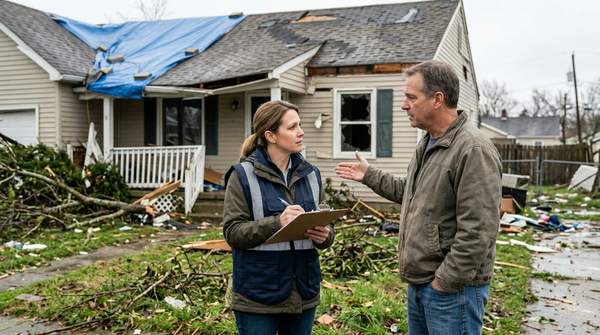
A severe storm can leave a Huntsville property owner with missing shingles, water-stained ceilings, damaged siding, or fallen branches. Once immediate safety concerns are handled, the insurance claim requires identifying the damage, documenting it, and understanding what the policy may cover.
Our Public Adjusters represents property owners in Texas and Mississippi, including residential, commercial, and church policyholders. Its work includes helping clients document property losses and manage the insurance claim process.
For Huntsville property owners dealing with wind, hail, rain, or related storm damage, a carefully prepared claim can make a meaningful difference in how the loss is evaluated.
Maximizing a settlement does not guarantee a particular payment. It means presenting evidence, repair needs, and applicable policy terms as accurately and completely as possible.
Three often-overlooked parts of that process deserve special attention.
1. Looking Beyond the Damage You Can See From the Ground
After a storm, the most obvious damage tends to attract attention first. A homeowner may notice missing shingles, a dented garage door, a broken window, or a tree limb resting against the roof. Yet the visible damage may only tell part of the story.
Wind and hail can affect multiple components of a property. Roof coverings, flashing, gutters, vents, siding, screens, and exterior fixtures may all need closer inspection. Water entering through a damaged roof or opening can also affect insulation, ceilings, walls, flooring, and personal belongings.
In some cases, the signs inside the building become apparent days after the storm.
A thorough claim file connects observed damage with the reported event. Photographs, videos, inspection notes, contractor estimates, and receipts can help establish what happened and which repairs may be required. Keep records of emergency work and mitigation expenses, too.
Our Public Adjusters helps policyholders assess and document storm-related property claims. That support can be especially useful when a property has several types of damage or when an initial inspection did not capture every affected area. A more complete record gives the insurer specific information to review instead of relying on a brief description of the loss.
Property owners should avoid climbing onto damaged roofs or entering unsafe areas to gather evidence. Take photographs from safe locations, protect the property from further damage when it is safe to do so, and keep receipts for reasonable emergency measures. Professional inspection can help document areas that are difficult or dangerous to reach.
2. Connecting Related Damage to the Right Evidence and Policy Language
A second overlooked factor is how different parts of a storm loss fit together. For example, high winds may damage roofing materials, allowing rainwater to enter and stain an upstairs ceiling. A property owner might focus on the ceiling because that is where the damage is easiest to see. However, evaluating the full loss may require examining the roof, the point of water entry, affected building materials, and any necessary drying or repairs.
Not every type of water damage is covered. Policies may treat wind-driven rain, surface water, and flooding differently; exclusions, endorsements, deductibles, and limits can all affect coverage.
A public adjuster can organize the information needed to evaluate those questions. The policy, insurer correspondence, photographs, inspection reports, contractor estimates, and mitigation invoices may all contribute to the claim record.
Our Public Adjusters asks clients to gather important materials, including the full policy for the date of loss, communications with the insurer, photographs, contractor bids, paid invoices, receipts, and relevant reports. Keeping those documents together can make it easier to identify what has been inspected, what has been estimated, and what questions remain unanswered.
This approach can also help property owners distinguish between damage caused by the storm and pre-existing wear or maintenance issues. That distinction is important: the aim is to support a claim with accurate evidence, not to attribute every property defect to the latest weather event. Clear documentation helps everyone assess the claim on a more reliable basis.
3. Checking the Estimate Against the Work Needed to Restore the Property
An insurance estimate is a detailed assessment, and its line items matter. A total dollar figure alone may not show whether every damaged area has been considered or whether the proposed scope reflects the work required. Property owners may find it difficult to compare an estimate with a contractor’s proposal, especially when construction terminology, measurements, labor, materials, and repair methods are involved.
A careful review looks at the scope of work as well as the total. Are all documented damaged areas included? Do the listed quantities match the measured areas? Are necessary removal, disposal, labor, and installation steps reflected? Does the estimate account for related interior repairs where the evidence supports them? Are there differences between the insurer’s estimate and a contractor’s written assessment that need clarification?
The answers depend on the evidence and policy. A contractor’s estimate does not automatically determine what an insurer must pay, but specific discrepancies can be documented and submitted for review.
Our Public Adjusters assists policyholders with claim preparation, documentation, and negotiation. When a claim estimate appears to omit supported damage or leaves questions about the repair scope, an organized comparison can help identify the issues that need to be addressed. Supporting photographs, measurements, invoices, and professional reports make it easier to explain why a particular line item or repair may warrant further consideration.
For commercial properties and churches, the review may also involve buildings with multiple areas, contents, or operational needs. Keeping records organized by location and type of damage can make a complex claim easier to understand and manage.
What Huntsville Property Owners Can Do After a Storm
A few practical steps can help protect both the property and the quality of the claim record:
- Photograph and video visible damage from safe locations before temporary repairs, when circumstances allow.
- Take reasonable steps to prevent further damage, and save receipts and records for emergency work.
- Keep the insurance policy, claim number, insurer letters, emails, estimates, invoices, and inspection reports together.
- Make a written list of damaged rooms, exterior areas, contents, and any changes noticed after the storm.
- Avoid discarding damaged materials before documenting them, unless removal is necessary for safety or mitigation.
- Read insurer communications carefully and note deadlines or requests for additional information.
Report the loss promptly and respond to reasonable information requests. Policy deadlines and duties vary, so check the policy if you are unsure about a requirement. Do not delay urgent repairs needed to protect people or prevent further damage.
Get Help Reviewing a Huntsville Storm Damage Claim
Storm damage can be more complicated than it first appears. A roof problem may have consequences inside the property, a water stain may require investigation to establish its cause, and a repair estimate may need a closer look to determine whether the documented work has been included. Careful evidence and a clear understanding of the policy give property owners a stronger basis for discussing their losses with an insurer.
Our Public Adjusters provides public adjusting services for residential, commercial, and church insurance claims in Texas and Mississippi. Property owners in Huntsville who are facing storm damage, questions about documentation, or concerns about an insurance estimate can contact the firm to discuss their circumstances and learn whether public adjuster assistance may be appropriate.
No public adjuster can guarantee a specific settlement. The outcome depends on the facts, the available evidence, and the insurance policy. A thorough, well-organized claim can help ensure that the documented damage and relevant repair needs receive a clear review.