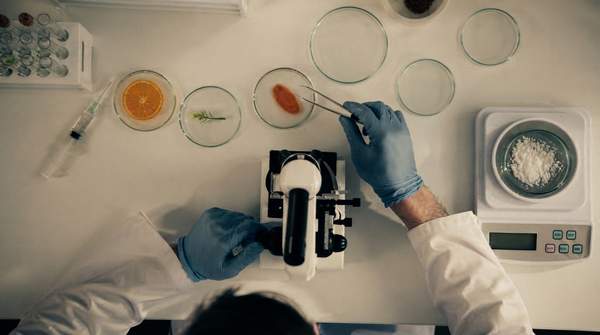
Imagine, if you will, a global survey spanning 200 vineyards across four continents, unveiling a secret. It's the invisible world beneath our feet, a symphony of soil microbes—Proteobacteria leading the orchestra—that acts as the primary conductor of a wine's unique "sense of place." This groundbreaking research, published in Nature, reveals how these microscopic denizens don't just influence wine characteristics; they sculpt the very soul of what we taste, defining its exclusivity and allure.
Yet, our hearts often cling to a romanticized notion of terroir: an unchangeable, mystical bond between earth and bottle. But science, ever the gentle disruptor, now shows us a more complex, dynamic, and even wonderfully manageable reality. Terroir, it turns out, is a vibrant tapestry of biological and environmental components, challenging every cherished, traditional belief.
As our world warms and viticulture embraces new techniques, terroir's definition will inevitably shift in the coming years. No longer a fixed geographical decree, it becomes a passionate, scientifically informed dance between nature's raw power and humanity's artful intervention. This evolution promises both exhilarating new expressions of wine and a provocative re-evaluation of our most hallowed appellations.
Beyond Soil: The Core Elements of Terroir
Beyond the romantic allure of a vineyard, science reveals terroir's true heart: climate. It is the undisputed sovereign, dictating precisely where winegrapes can even dream of flourishing, both globally and in our most cherished local plots, as elementsmagazine reminds us. This foundational embrace of environmental conditions sets the very stage for viticulture. But climate's partner in this dance is water—its availability, its delicate balance, and the soil's loving embrace of moisture—all proving utterly crucial for the grape's journey to ripeness and, ultimately, the wine's soul. Terroir, then, is no simple ingredient; it's a grand, intricate ballet where climate directs the overture, and water availability choreographs the grape's every move. The profound implication? Even before human hands touch the vine, these elemental forces are already crafting the wine's destiny, a destiny we are only just beginning to truly comprehend.