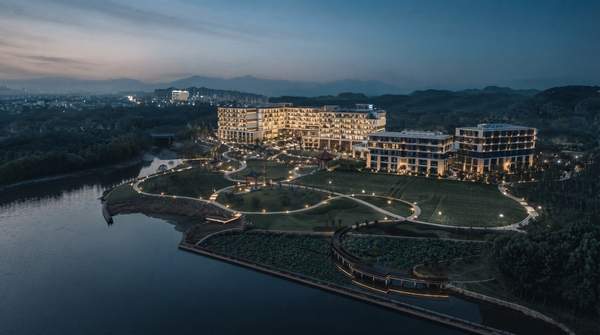
Sustainable luxury is not a contradiction — it is a measurable set of design and operational choices. The modern luxury traveler, as Impact Hotels' Quinn Cox observes, seeks "not just opulence but also sustainability and environmental stewardship," and hotels worldwide are responding by weaving eco-conscious practices directly into high-end offerings. The practical question for travelers and investors is no longer whether a hotel claims sustainability, but whether that claim shows up in its architecture, materials, food systems, and community relationships. This article distills the evidence into four evaluative principles and closes with a checklist you can apply to any property.
Redefining Luxury: The Core Principles of Sustainable Hospitality Design
Luxury hospitality has historically been associated with high energy consumption, water usage, and waste generation, as Hotelier Magazine's Kostuch Media notes, but the industry is now repositioning itself around practices that shrink its environmental footprint — from energy-efficient architecture to sustainably sourced materials. The four principles that follow — Energy & Water Systems, Materials & Construction, Food & Waste Systems, and Community & Cultural Integration — function as diagnostic categories. Each one is verifiable through observable features rather than marketing language, and together they form the basis of the evaluation tool at the end of this article. A hotel may excel in one category and neglect the others; genuine commitment spans all four.
Principle 1: Energy & Water Systems – Efficiency as the New Opulence
The clearest signal of sustainable intent is a property's approach to energy and water. Bardessono, a luxury property in Napa Valley profiled by Cox, integrates geothermal heating and cooling, rooftop solar panels, and natural ventilation to optimize energy use — a portfolio of systems rather than a single gesture. On the water side, Six Senses Hotels Resorts Spas reports that many of its properties have significantly reduced water and energy consumption, with Six Senses Zighy Bay achieving over 60% in plastic reduction. That figure, reported by the brand's "Earth Lab" program, illustrates the scale of operational change possible when conservation is treated as core infrastructure. When assessing a hotel, look for named, specific systems rather than vague efficiency pledges.
Principle 2: Materials & Construction – Building with Purpose and Place
Materials determine both a property's environmental footprint and its sense of place. Bardessono was built using reclaimed wood and stone, allowing the building to blend into Napa Valley's landscape — low-impact architecture that serves aesthetics as much as ecology. Hotelier Magazine points to the broader industry shift toward sustainable sourcing of materials as hotels reinvent themselves as "green havens for the eco-conscious traveller." The principle here is twofold: materials should be responsibly sourced or reclaimed, and construction should minimize waste and integrate with the natural surroundings rather than override them. A hotel that names its material choices — and can explain their origin — is demonstrating the transparency this category demands.
Principle 3: Food & Waste Systems – A Holistic Approach to Resources
Food is where sustainability becomes immediately tangible for guests. At Bardessono, the on-site restaurant Lucy sources produce from nearby farms, ensuring fresh, local ingredients while reducing transport emissions. Six Senses' Earth Lab extends food systems into education, running interactive workshops on waste reduction, organic gardening, and renewable energy usage — turning kitchen and garden operations into visible guest programming. Waste reduction is the second half of this principle: Zighy Bay's 60% plastic reduction shows what a sustained, measurable initiative looks like. The strongest properties treat food and waste as one connected system, from local sourcing to composting, gardening, and single-use plastic elimination.
Principle 4: Community & Cultural Integration – Connecting Guests to Local Authenticity
According to Eco-Mantra's Irvan, writing on sustainable resort design, "a truly sustainable resort goes beyond using renewable materials and minimizing its carbon footprint; it also incorporates eco-friendly activities and engages with local communities." In Bali, Irvan explains, this could involve collaborating with local residents on guided nature tours, introducing organic farming, and showcasing local culture — arrangements through which visitors enjoy their stay while contributing to environmental preservation and supporting the local community. This is the principle most often absent from green marketing. Community integration cannot be faked with a donation line on a website; it shows up as staffed cultural programming, locally guided excursions, and economic relationships visible on the property.
Beyond Eco-Friendly: How Sustainability Elevates the Luxury Guest Experience
The most persistent objection to eco-luxury is that sustainability means sacrifice — filtered water in reusable bottles instead of imported bottled water, say, for guests accustomed to excess. The evidence suggests the opposite framing. The Peninsula Tokyo, for example, integrates sustainable practices subtly, ensuring guests enjoy top-tier service while knowing their stay carries a lower environmental impact. Local sourcing makes food fresher and more rooted in place. On-site gardens and cultural programming turn sustainability into experiences rather than deprivations. Cox describes this as the shift from "extravagance alone to include mindful choices, eco-friendly practices, and authentic experiences" — a redefinition of luxury in which environmental consciousness and indulgence reinforce each other rather than compete. Hotels that do this well must, as Hotelier Magazine's industry analysis implies, bridge the perception gap through education and messaging rather than by hiding their practices.
Your Eco-Luxury Evaluation Checklist
Use this diagnostic framework to score any luxury property across the four principles. For each category, ask whether the hotel demonstrates named, verifiable features — not generic "eco-friendly" claims. A property showing concrete features across all four categories demonstrates genuine commitment; one relying on marketing language alone does not.
| Principle | Verifiable features to look for | What it signals |
|---|---|---|
| Energy & Water Systems | Geothermal heating and cooling; rooftop solar panels; natural ventilation; documented water and energy consumption reduction; quantified plastic-reduction programs (Zighy Bay's 60% figure shows the achievable scale) | Efficiency treated as infrastructure, not decoration — the systems work whether or not the guest notices them |
| Materials & Construction | Reclaimed wood and stone; low-impact architecture that blends with the landscape; named, responsibly sourced building materials | A property designed for its specific place rather than imported wholesale from a luxury template |
| Food & Waste Systems | On-site restaurant sourcing from nearby farms (as Lucy at Bardessono does); on-site organic gardening; waste-reduction workshops; visible single-use plastic elimination | Resources managed as a connected cycle from field to kitchen to waste stream |
| Community & Cultural Integration | Collaboration with local residents on tours and programming; showcased local culture; organic farming introduced with community partners | Economic benefit flowing to the surrounding community, and authentic experiences no imported amenity can replicate |
Scoring is simple: rate each category on whether you can identify at least one named, specific feature. A property that answers "yes" in all four is demonstrating the integrated approach the evidence associates with genuine eco-luxury. One that cannot, or that gestures only at the first category, is relying on perception rather than practice.
Making Informed Choices: The Future of Luxury Travel
When evaluating luxury hotels, prioritize properties that demonstrate verifiable commitment to sustainable design principles across energy, materials, food, and community integration — and treat unverified "eco-friendly" language as a starting question, not an answer. This checklist is an evaluative guide rather than a formal certification standard, and this article deliberately avoids financial analysis or a comprehensive hotel directory. What the evidence does establish is the principle itself: sustainable choices enhance, rather than diminish, the guest experience, and the same integrated design thinking that produces geothermal systems and farm-sourced kitchens also supports a property's long-term asset value.
Look for specific features like geothermal systems, local sourcing, waste reduction programs, and cultural engagement activities, rather than generic "eco-friendly" claims — that is the measurable test you can apply before booking. Ask a property which materials its buildings use, where its restaurant sources, and what community partnerships it maintains; concrete answers to those three questions will tell you more than any sustainability page on its website.