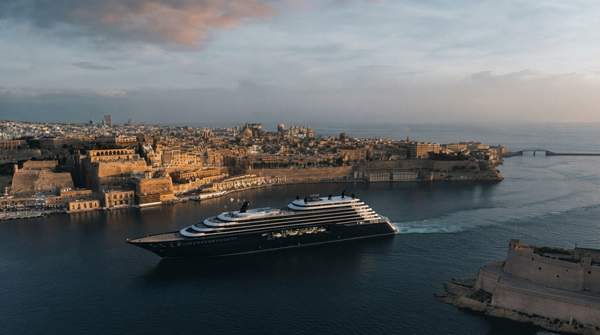
Choosing a luxury world cruise is less about finding the "best" ship than about finding the ship whose priorities match yours. Before you compare fares or itineraries, you need to answer three questions honestly: Do you want to be in port as often as possible, or do you love days at sea? Do you want to dress up, or dress down? And do you want a small, intimate vessel or a larger one with more amenities? Once you have those answers, the practical work — booking early for the right suite, and preparing for months away from home — becomes straightforward.
Understanding Your World Cruise Travel Style
When I picture a world cruise, I picture months at sea, not a week. Most voyages billed as true world cruises run 90 to 150 days, according to the cruise writers at EatSleepCruise.com, which means the ship itself becomes your home in a way no shorter sailing can replicate. That is why travel consultants urge cruisers to think carefully about whether the onboard dress code aligns with their desire to dress up — the point, as one advisor quoted by Luxury Travel Advisor put it, is that "cruisers don't want to discover after a few weeks that they're not getting the experience they paid thousands for."
Three dimensions matter most: itinerary focus, ship atmosphere, and ship size. Each represents a genuine trade-off rather than a simple better-or-worse choice, and your answers will point you toward a distinct style of voyage — and toward the lines that specialize in it.
Itinerary Focus: Destinations vs. Onboard Experience
Here is the first fork in the road. Some world cruises are built around the destinations: frequent port calls, remote harbors, and long days ashore. Others lean into the journey itself, with more sea days and a richer onboard program of dining, enrichment, and entertainment.
The trade-off is structural, not incidental. As EatSleepCruise.com explains, cruise lines usually deploy their smaller, older vessels for world cruises "because these types of voyages are much more about the itinerary than the ship" — fewer flashy amenities are needed. A smaller vessel also means fewer guests and easier navigation around the ship, and, crucially, smaller ships "can also visit more remote ports of call that cannot accommodate larger vessels." So if your dream is a string of unusual, hard-to-reach destinations, a small-ship, itinerary-first sailing is likely your match. If you would be content with fewer, more familiar ports in exchange for a resort-like life at sea, a larger ship with more amenities may serve you better.