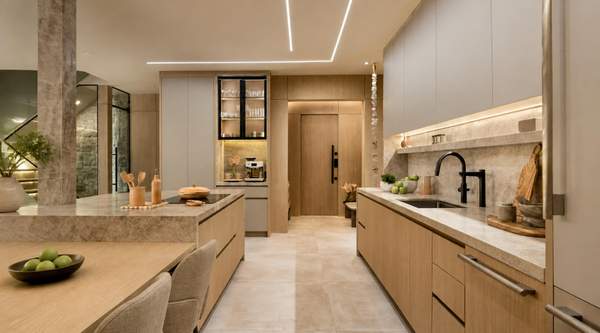
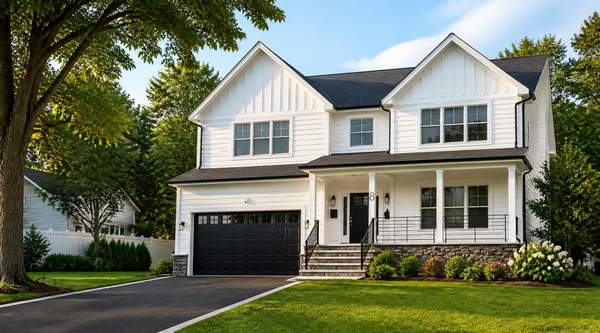
In traditional Japanese tea houses, the entrance is deliberately small and low, forcing a moment of humility and transition from the bright exterior to a dimly lit, contemplative interior (Toki Tokyo). This starkly contrasts with the sprawling, brightly lit luxury homes common today. While luxury design often equates brightness and expansive views with opulence, Japanese light concepts find richness in shadow, subtle transitions, and framed glimpses, creating a more profound sense of well-being. A recent survey of luxury homeowners indicated a growing preference for 'calm luxury' over 'ostentatious luxury,' prioritizing comfort and well-being (Luxury Lifestyle Survey 2023). This subtle shift from grandiosity to humility and calm is precisely where Japanese light concepts offer a new definition of luxury. As homeowners increasingly seek sanctuary and authenticity, designs that thoughtfully integrate natural light and shadow, inspired by Japanese principles, will become the new benchmark for true luxury, prioritizing experiential value over overt display.
The Philosophy of Light and Shadow
The concept of 'Ma' in Japanese design emphasizes the importance of empty space and the intervals between elements, allowing light and shadow to define form, according to Design Philosophy Quarterly. Wabi-Sabi aesthetics celebrate imperfection and transience, valuing how natural light highlights the texture of aged wood or the subtle patina of materials, as detailed in Art of Imperfection. These philosophies guide how light is introduced, valuing depth over expanse.
The concept of 'komorebi' refers to the dappled sunlight filtering through tree leaves, a highly valued natural light effect (Japanese Cultural Dictionary). This fluid interaction of light and shadow mimics natural forest environments, enhancing a home's biophilic connection more effectively than panoramic glass walls. The interplay of light and shadow is considered as important as the objects themselves in Japanese interior design, creating depth and mood, according to Zen Aesthetics. These principles elevate light from a mere functional necessity to a profound design element that shapes perception and emotion, creating a living, breathing space.
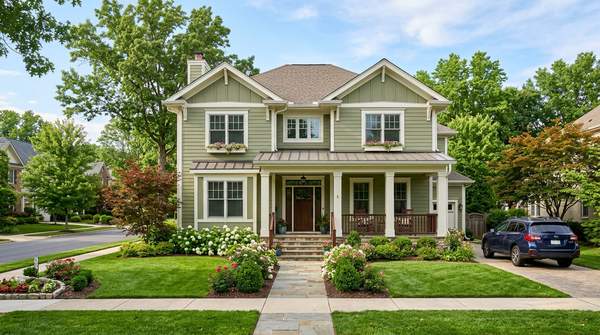
Architectural Elements That Sculpt Light
Traditional Japanese homes often feature engawa, or verandas, blurring the line between interior and exterior, allowing diffuse light to penetrate deep into living spaces, according to Architectural Digest. This transitional space fosters a sense of calm and mindfulness, often absent in open-plan luxury designs that lack such thresholds. Shoji screens, made of translucent paper, filter harsh sunlight into a soft, ambient glow, reducing glare while maintaining privacy, as noted by Japanese Architecture Journal.
Architects like Kengo Kuma frequently use slatted wood screens, known as kigumi, to modulate light, creating dynamic patterns of light and shadow throughout the day (Kuma Architects Portfolio). Integrating skylights and light wells strategically can bring vertical light into a home, mimicking natural forest light (Architectural Lighting Journal). These architectural elements are not just aesthetic choices but deliberate tools to sculpt light and create a dynamic, living environment that changes with the day and seasons.
Beyond Natural: Modern Tech and Artificial Illumination
The use of indirect lighting, often bouncing light off ceilings or walls, is common in Japanese-inspired interiors to create a serene, shadow-rich atmosphere, according to Lighting Design Magazine. This approach avoids the flattening effect of direct overhead illumination. The absence of direct, harsh overhead lighting is a hallmark of Japanese lighting design, favoring multiple, softer light sources at different heights, as explained in the Interior Design Handbook.
High-end smart home systems now offer advanced control over natural light, with automated blinds and tunable white lighting mimicking natural circadian rhythms (Smart Home Tech Review). Designers also use advanced glazing technologies to control solar heat gain while maximizing natural light transmission in luxury residences (Glass & Glazing Innovations). Modern technology, when applied thoughtfully, can enhance and extend the subtle effects of natural light, creating sophisticated and responsive environments that align with Japanese principles.
The Tangible Benefits: Well-being and Connection
A study found that homes designed with ample natural light and views of nature reported higher occupant satisfaction and reduced stress levels (Environmental Psychology Research). These findings align with biophilic design principles, which have been shown to increase cognitive function and well-being in residential settings (Biophilic Design Institute). Modern luxury homes increasingly incorporate large, strategically placed windows to frame specific outdoor views, echoing the Japanese concept of 'borrowed scenery,' or Shakkei, according to the Luxury Home Trends Report.
Some contemporary luxury architects emphasize expansive glass walls for 'seamless indoor-outdoor living,' yet the Japanese concept of shakkei suggests a framed, curated view creates a more potent connection, preventing visual overwhelm. Japanese gardens often incorporate water features that reflect light, bringing dynamic, shimmering patterns into adjacent interior spaces (Garden Design Principles). Beyond aesthetics, these lighting strategies foster a profound sense of peace, connection, and improved well-being, elevating the very definition of luxury living to an experiential realm.
Practical Considerations for Your Home
What are the key principles of Japanese interior lighting?
Japanese interior lighting prioritizes the deliberate cultivation of shadows and diffuse light over overwhelming brightness. It emphasizes natural materials like bamboo and rice paper, chosen for how they interact with and diffuse light, according to Sustainable Design Quarterly. This approach aims to create a calm, contemplative atmosphere, rather than stark illumination.
How can I incorporate natural light into my home like in Japan?
To integrate natural light in a Japanese-inspired manner, focus on framing specific outdoor vignettes rather than vast panoramas. Consider using translucent screens or slatted elements to filter harsh sunlight into softer, diffused light. Also, design transitional spaces, such as entryways, that gradually shift from bright to dim, allowing for mental decompression.
Is the philosophy behind Japanese lighting design energy efficient?
The philosophy behind Japanese lighting design inherently promotes energy efficiency by maximizing the thoughtful use of natural light and minimizing reliance on artificial sources. The average luxury home in the US uses significantly more artificial lighting wattage than a comparable Japanese-inspired home (Energy Efficiency Report). This emphasis on subtle, indirect artificial lighting further reduces energy consumption compared to brightly lit, conventional luxury designs.
The Future of Enlightened Luxury
If luxury developers continue to equate opulence with sheer brightness and expansive views, they risk missing the growing demand for spaces that foster psychological comfort and a genuine connection to the natural world, suggesting a future where nuanced light and shadow define true luxury.