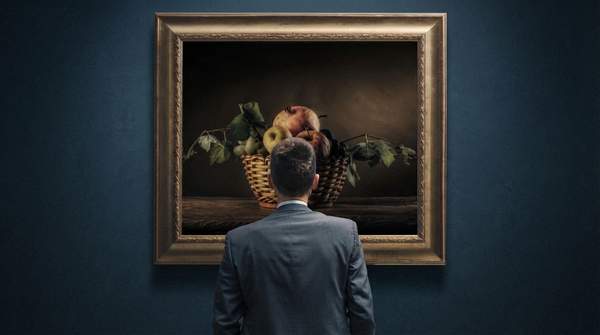
Embarking on the journey of building a private art collection transcends mere acquisition; it is an intimate venture that intertwines personal passion with a discerning eye for detail. For aspiring collectors and cultural philanthropists, developing a defined curatorial vision is paramount to transforming individual artworks into a cohesive and impactful body of work. This strategic approach prevents a "helter-skelter" accumulation of pieces, instead fostering a collection that tells a compelling story and reflects a unique aesthetic and intellectual journey. A strong curatorial vision provides the framework for intentional growth, ensuring that each new acquisition contributes meaningfully to the collection's overarching narrative and lasting significance. The Foundation of a Private Collection: Why Curatorial Vision Matters
A private art collection is more than a mere assembly of beautiful objects; it is a curated statement, a narrative crafted by the collector. As Elena Fontaine, writing for Composition Gallery, explains, curating a thematic art collection transforms individual artworks into a cohesive narrative that mirrors the collector's interests and aesthetic inclinations. Without a clear vision, a collection risks becoming a disparate assortment. Roger Dunbier, in an essay published by tfaoi.org, suggests that fundamental decisions about the scope of a collection are necessary to avoid a "helter-skelter" approach, urging collectors to consider their vision for the collection's objective and subjective criteria. LaFontsee Galleries further emphasizes that a strong collection tells a story, rather than being simply a cluster of beautiful objects. This narrative provides coherence and depth, guiding strategic acquisition and ensuring long-term clarity, a principle echoed by The Agency Art House, which advocates for approaching art collecting with strategy and a long-term vision.Defining Your Curatorial Vision: Themes, Periods, and Movements
Establishing a clear curatorial vision involves defining specific parameters that will give your collection its unique identity and focus. One effective approach is to embrace a thematic focus. Elena Fontaine highlights that a thematic collection weaves individual artworks into a larger story, reflecting personal interests and vision with coherence. This method not only provides depth of knowledge through comprehensive research into historical contexts and contemporary art scenes but also personalizes the collection, making it an extension of the collector's unique taste and intellectual journey.
Alternatively, a collection can center on specific historical periods or artistic movements. Fontaine notes that focusing on movements such as Op Art, Abstract Art, Pop Art, or Kinetic Art offers a unique window into diverse human experiences and emotions. This allows for a curated exploration of cultural and aesthetic narratives that resonate with an individual perspective, fostering a deeper understanding of art history and its expressions. Whether choosing a theme, an era, or a specific artistic movement, this focused approach sharpens the collection's identity and enhances the collector's appreciation of art.